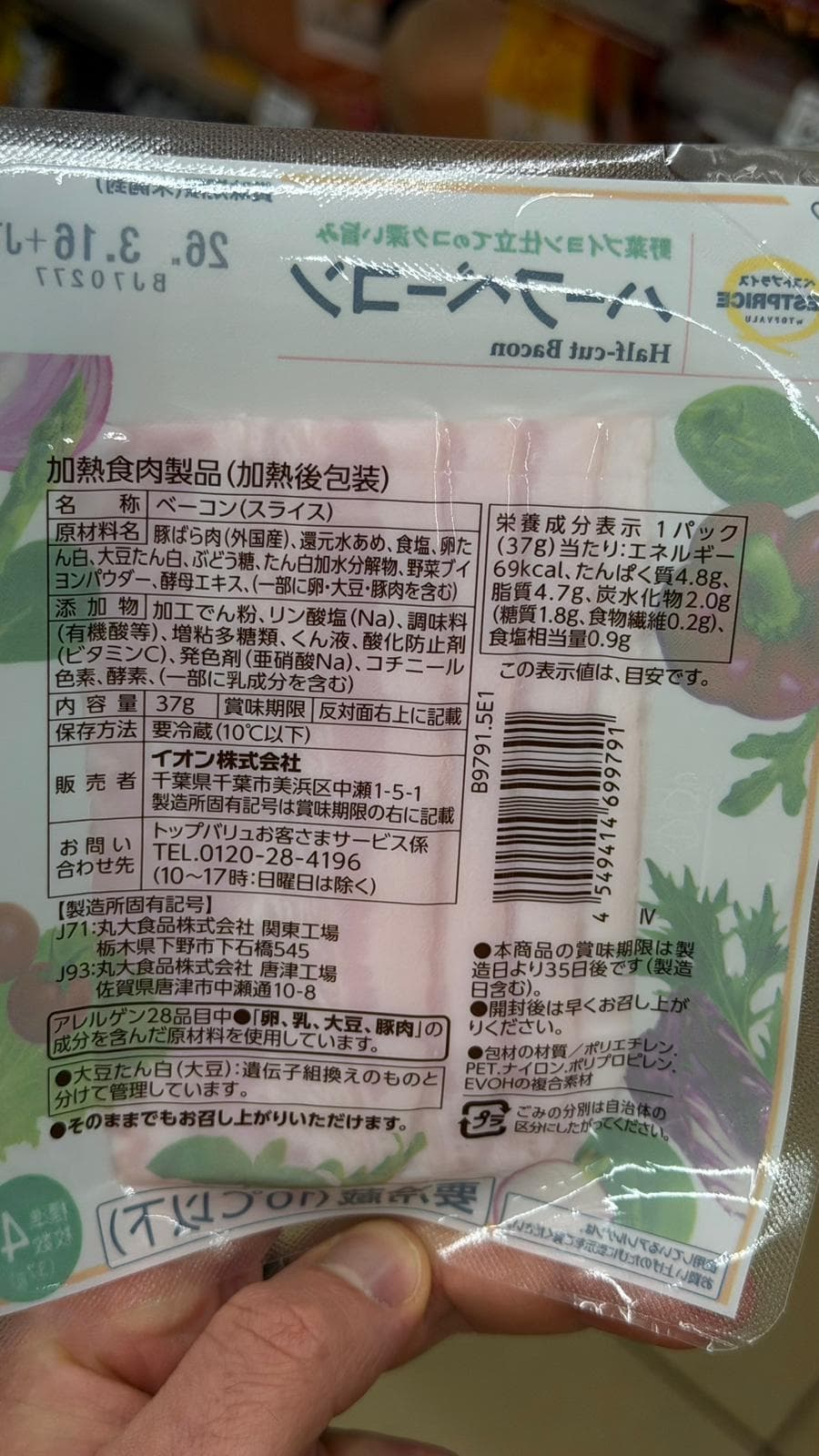
For Muslim travelers and residents, finding halal food in Japan can be challenging. Most food products are labeled only in Japanese, and halal certification is still relatively rare.
However, with some basic knowledge of ingredients and labeling, it is possible to shop and eat safely. This guide explains what Muslims should know before buying food in Japan.
Is Food in Japan Halal by Default?
No. Food in Japan is not halal by default.
Japanese food culture does not traditionally follow halal dietary rules, and most products are not certified halal. Many foods may contain ingredients that are not permissible, such as:
- alcohol used in seasoning
- pork-based ingredients
- animal-derived additives
Because of this, it is important to check ingredients carefully before buying packaged food.
Common Non-Halal Ingredients in Japanese Food
Several ingredients frequently appear in Japanese products that may not be halal.
Pork (豚肉)
Pork is widely used in Japanese cuisine.
Common pork ingredients include:
| Japanese | Reading | Meaning |
|---|---|---|
| 豚肉 | butaniku | pork |
| ポーク | pōku | pork |
| ラード | rādo | lard |
| 豚脂 | tonshi | pork fat |
Pork extracts can also appear in instant noodles, snacks, and soups.
Alcohol (アルコール)
Alcohol is often used in cooking or food production.
Common sources include:
| Japanese | Reading | Meaning |
|---|---|---|
| 酒 | sake | rice wine |
| 日本酒 | nihonshu | Japanese sake |
| みりん | mirin | sweet cooking wine |
| アルコール | arukōru | alcohol |
Even small amounts are sometimes used in sauces, marinades, or packaged foods.
Gelatin and Animal Additives
Some foods contain gelatin or animal-derived ingredients.
| Japanese | Reading | Meaning |
|---|---|---|
| ゼラチン | zerachin | gelatin |
| 動物性油脂 | dōbutsusei yushi | animal fat |
| 牛脂 | gyūshi | beef fat |
These ingredients may come from non-halal sources unless certified.
Halal Certification in Japan
Halal certification exists in Japan but is still limited.
Some organizations provide certification, including:
Products with halal certification usually display a halal logo on the packaging.
However, many supermarkets and convenience stores do not stock large numbers of certified products.
Are Convenience Store Foods Halal?
Convenience stores such as 7-Eleven, FamilyMart, and Lawson offer many ready-to-eat foods, but most are not halal certified.
Common issues include:
- pork-based broths in noodles
- alcohol in sauces
- gelatin in desserts
For this reason, it is safest to check ingredient lists carefully.
Safer Food Options in Japan
Some foods are more likely to be halal or easier to verify.
Examples include:
- fresh fruits and vegetables
- plain rice
- tofu
- seafood
- eggs
However, even processed versions of these foods may contain additives or alcohol-based seasonings.
How to Check Ingredients on Japanese Labels
Ingredients are usually listed under:
原材料名 (genzairyōmei): ingredients list.
They are ordered from largest quantity to smallest.
Because many ingredient names appear in kanji or technical Japanese, it can be difficult for non-Japanese speakers to identify halal concerns.
Tips for Muslims Shopping in Japan
- Always check the ingredient list (原材料名).
- Watch for pork-related terms such as 豚肉 or ラード.
- Check for alcohol ingredients like 酒 or みりん.
- Look for official halal certification logos when available.
- When unsure, choose simple foods with minimal ingredients.
FAQ
Are there halal restaurants in Japan?
Yes. Major cities like Tokyo, Osaka, and Kyoto have halal restaurants, particularly in tourist areas.
Is seafood halal in Japan?
Seafood is generally considered halal, but prepared dishes may include alcohol-based sauces or non-halal additives.
Are Japanese snacks halal?
Some snacks may be halal, but many contain gelatin, pork extracts, or alcohol flavoring. Always check the ingredient list.
Understanding Food Labels Faster
Reading Japanese ingredient lists can take time, especially if you cannot read kanji.
If you want to understand a product instantly, you can scan the label with Okaasan.
Just take a photo and the app will show:
- full ingredient translation
- halal concerns
- allergen detection
- additives analysis
- nutrition facts
This makes it easier to check whether a product fits your dietary needs when shopping in Japan.