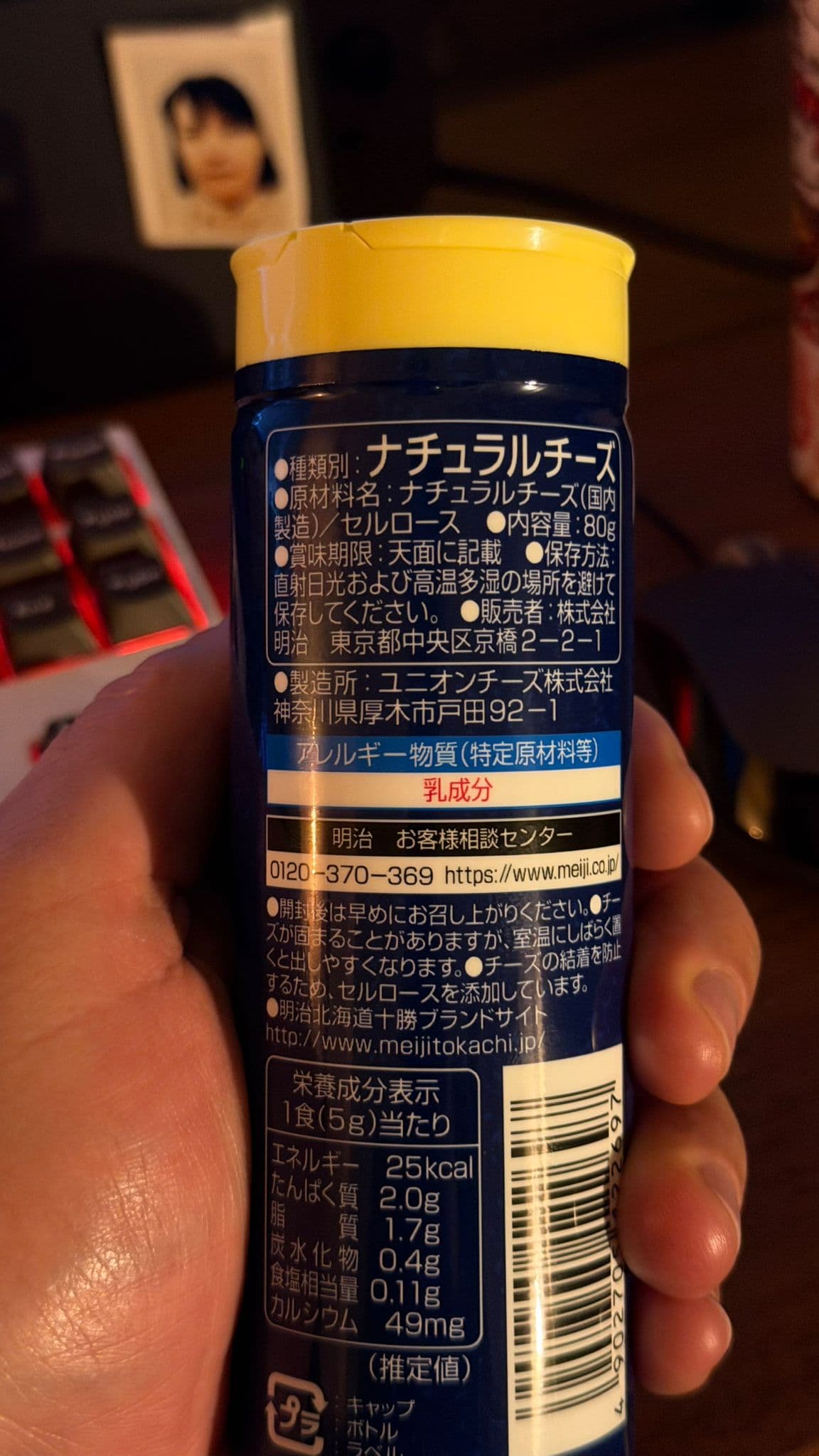
When you look at the ingredient list on Japanese packaged food, you will often see unfamiliar names or technical terms at the end of the label. These are food additives, and they can be difficult to understand if you cannot read Japanese.
This guide explains how additives are written on Japanese food labels, how they relate to E-numbers used in Europe, and which additives commonly appear in Japanese products.
What Are Food Additives?
Food additives are substances added to food to improve:
- preservation
- color
- flavor
- texture
- shelf life
Examples include preservatives, sweeteners, coloring agents, and thickeners.
In Japan, additives are regulated by the government and must be listed on the product label.
Where Additives Appear on Japanese Labels
Food additives are usually written after the ingredient list.
They may appear:
- inside parentheses
- after a slash /
- under a separate additive section
Example: 原材料名:小麦粉、砂糖、植物油脂/乳化剤、着色料(カラメル)
Meaning:
Ingredients: wheat flour, sugar, vegetable oil
Additives: emulsifier, caramel coloring
The word used for additives is:
| Japanese | Reading | Meaning |
|---|---|---|
| 添加物 | tenkabutsu | food additive |
Are E-Numbers Used in Japan?
Unlike Europe, Japan does not commonly display E-numbers on packaging.
In the European Union, additives are labeled with codes such as:
- E100 (curcumin)
- E200 (sorbic acid)
- E330 (citric acid)
Japanese labels usually write the full additive name in Japanese instead of the E-number.
However, many additives used in Japan correspond to the same international substances.
Common Additives on Japanese Food Labels
Here are some additive categories frequently found in Japanese packaged foods.
| Japanese | Reading | Meaning |
|---|---|---|
| 着色料 | chakushokuryō | food coloring |
| 保存料 | hozonryō | preservative |
| 甘味料 | kanmiryō | sweetener |
| 酸味料 | sanmiryō | acidity regulator |
| 乳化剤 | nyūkazai | emulsifier |
| 増粘剤 | zōnenzai | thickener |
These additives are especially common in:
- snacks
- instant noodles
- processed desserts
- packaged meals
Examples of Specific Additives
Some additives appear frequently in Japanese food labels.
| Japanese | Reading | Meaning |
|---|---|---|
| カラメル色素 | karameru shikiso | caramel coloring |
| ソルビン酸 | sorubin-san | sorbic acid preservative |
| クエン酸 | kuen-san | citric acid |
| アスパルテーム | asuparutēmu | aspartame sweetener |
| グルタミン酸Na | gurutamin-san Na | monosodium glutamate (MSG) |
These ingredients may appear in sauces, drinks, and convenience store meals.
Are Food Additives Safe in Japan?
Japan has strict food safety regulations. Additives used in food products must be approved by the Consumer Affairs Agency and evaluated for safety.
However, some consumers prefer to limit additives in their diet, especially in highly processed foods.
Labels sometimes include the phrase:
| Japanese | Reading | Meaning |
|---|---|---|
| 無添加 | mu-tenka | no additives added |
This means the product was made without certain additives, although it does not always mean the food is completely additive-free.
Why Additives Are Difficult for Foreigners to Understand
Japanese additive names can be confusing because:
- they are written in technical Japanese
- the same additive may have different naming conventions
- E-numbers are usually not displayed
For people who cannot read Japanese, identifying additives quickly can be difficult.
Tips for Identifying Additives
When reading Japanese food labels:
- Look for the slash "/" separating ingredients and additives.
- Watch for additive category words like 保存料 or 着色料.
- Check whether the product mentions 無添加.
- Remember that additives often appear at the end of the ingredient list.
FAQ
Are Japanese food additives the same as European E-numbers?
Many additives are the same substances used internationally, but Japan usually lists the Japanese chemical name instead of the E-number.
Are additives required to be listed on labels in Japan?
Yes. Food manufacturers must list additives on the product label according to Japanese food labeling laws.
Are all additives unhealthy?
Not necessarily. Many additives are considered safe by food safety authorities, but some people prefer to reduce processed foods that contain many additives.
Understanding Additives Instantly
Identifying additives in Japanese can take time, especially if you cannot read the language.
If you want to understand a product instantly, you can scan the label with Okaasan.
Just take a photo and the app will show:
- full ingredient translation
- additives analysis with concern levels
- allergen detection
- nutrition facts
- dietary flags (vegan, halal, gluten-free)
This makes it easier to decide what to buy when shopping in Japan.