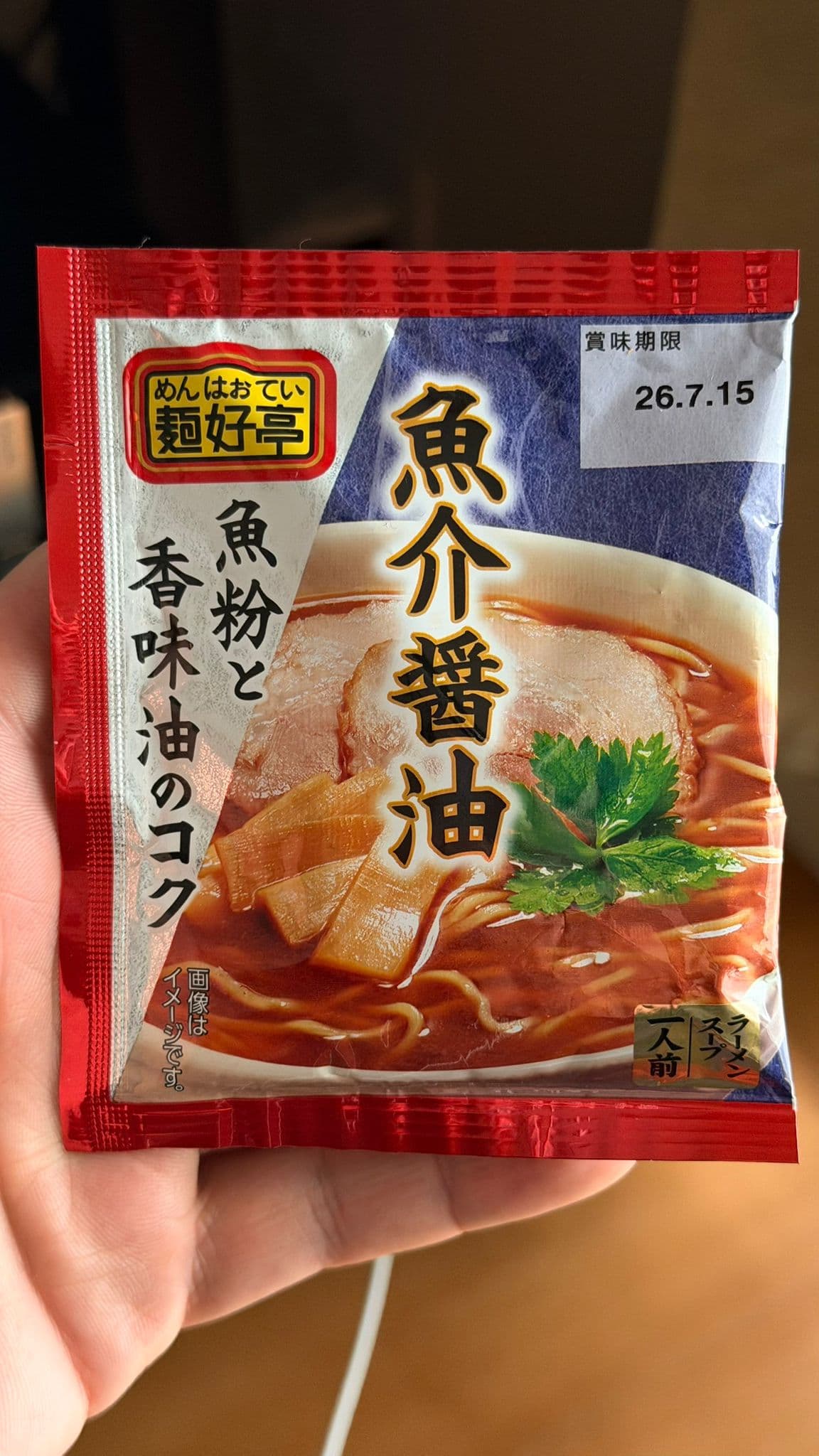
Japanese food labels can feel overwhelming at first: dense blocks of kanji, unfamiliar symbols, and nutrition tables that look nothing like what you're used to back home.
Which is normal, since you're very far from home. But are you far from a healthy lifestyle?
For travelers, expats, or anyone with dietary restrictions, understanding what you're buying can be stressful. This guide explains the main sections of Japanese food packaging so you can read labels with confidence.
The Nutrition Table (栄養成分表示)
Every packaged food product in Japan must display a 栄養成分表示 (eiyō seibun hyōji), as known as the nutrition facts table.
Here is what each row typically means:
| Japanese | Reading | Meaning |
|---|---|---|
| エネルギー | enerugii | Calories (kcal) |
| カロリー | karorii | Calories (kcal) |
| たんぱく質 | tanpakushitsu | Protein |
| 脂質 | shishitsu | Fat |
| 炭水化物 | tansuikabutsu | Carbohydrates |
| 食塩相当量 | shokuen sōtōryō | Salt equivalent (sodium) |
Values are usually displayed per serving or per 100 g. Always check the header of the table to see which measurement the manufacturer uses.
Calories are measured in kcal, the same unit used in most countries.
The Ingredients List (原材料名)
The ingredient list on Japanese packaging is labeled 原材料名 (genzairyōmei).
Just like in many other countries, ingredients are listed from highest to lowest quantity by weight. The first ingredient listed is the most abundant in the product.
Example
| Japanese | Reading | Meaning |
|---|---|---|
| 小麦粉 | komugiko | wheat flour |
| 砂糖 | satō | sugar |
| 植物油脂 | shokubutsu yushi | vegetable oil |
| 卵 | tamago | egg |
| 食塩 | shokuen | salt |
Some ingredient names may appear in technical or abbreviated form, which can make them difficult to recognize if you cannot read Japanese.
Allergen Labels (アレルギー表示)
Japan legally requires labeling for 8 major allergens and recommends labeling for 20 additional allergens.
The 8 mandatory allergens are:
- 卵 (tamago) : Egg
- 乳 (nyū) : Milk
- 小麦 (komugi) : Wheat
- えび (ebi) : Shrimp
- かに (kani) : Crab
- 落花生 (rakkasei) : Peanut
- そば (soba) : Buckwheat
- くるみ (kurumi) : Walnut
Look for expressions such as:
- 含む (fukumu) : contains
- 入り (iri) : includes
Sometimes allergens are grouped at the end of the ingredient list under:
アレルギー物質 (arerugī busshitsu) : allergenic substances.
Expiry Dates
Japan uses two main types of date labels.
賞味期限 (shōmi kigen) : Best before date
This indicates the period during which the product keeps its best flavor and quality. The food may still be safe to consume after this date if stored properly and checked quickly before any consumption.
消費期限 (shōhi kigen) : Use-by date
This indicates a strict safety limit. The product should not be eaten after this date. It is commonly used for fresh foods such as:
- bento meals
- sashimi
- dairy products
Dates are typically written in year/month/day format.
Example: 26.03.15
This means March 15, 2026.
Additives (添加物)
Food additives in Japan are usually listed after the ingredients and may appear in parentheses or after a slash.
They are sometimes grouped under the word:
添加物 (tenkabutsu) : Additives
Common additive categories include:
- 着色料 : food colouring
- 保存料 : preservatives
- 甘味料 : sweeteners
- 酸味料 : acidity regulators
- 増粘剤 : thickeners
Additives are widely used in processed foods, especially in convenience store products.
Common Words on Japanese Food Packaging
Here are some common terms that frequently appear on food labels:
| Japanese | Reading | Meaning |
|---|---|---|
| 原材料名 | genzairyōmei | Ingredients |
| 内容量 | naiyōryō | Net weight |
| 保存方法 | hozon hōhō | Storage instructions |
| 製造者 | seizōsha | Manufacturer |
| 要冷蔵 | yōreizō | Keep refrigerated |
| 要冷凍 | yōreitō | Keep frozen |
Recognizing these keywords can make it easier to understand packaging at a glance.
Why Japanese Food Labels Are Difficult for Foreigners
Japanese food labels can be difficult to understand for several reasons:
- many ingredients are written in technical kanji
- additives often use specialized terminology
- allergen information may appear in different locations on the package
- most packaging is Japanese-only
For travelers and expats, this makes grocery shopping harder than expected, especially if you follow a specific diet or have allergies.
Quick Tips
- Ingredients are listed by weight, so the first ingredient is the most abundant.
- 無添加 (mu-tenka) means “no additives added.”
- 有機 (yūki) means organic.
- 国産 (kokusan) means produced in Japan.
- Check whether nutrition values are listed per serving or per 100 g.
FAQ
Are Japanese food labels written in English?
Most packaged foods in Japan are labeled primarily in Japanese. Some imported products may include English translations, but this is not common.
How do you identify allergens in Japan?
Allergens are usually listed near the ingredients with expressions like 含む (contains) or in a dedicated allergen section.
Are calories displayed differently in Japan?
No. Calories are listed as エネルギー or カロリー and measured in kcal, the same unit used internationally.
Understanding Labels Instantly
Even when you know the key terms, reading a full Japanese ingredient list can still take time.
If you want to understand a product instantly, you can scan the label with Okaasan.
Just take a photo and the app will show:
- full ingredient translation
- allergen detection
- additives analysis
- nutrition facts
- dietary flags (vegan, halal, gluten-free)
This makes it easier to shop safely when you cannot read the label.