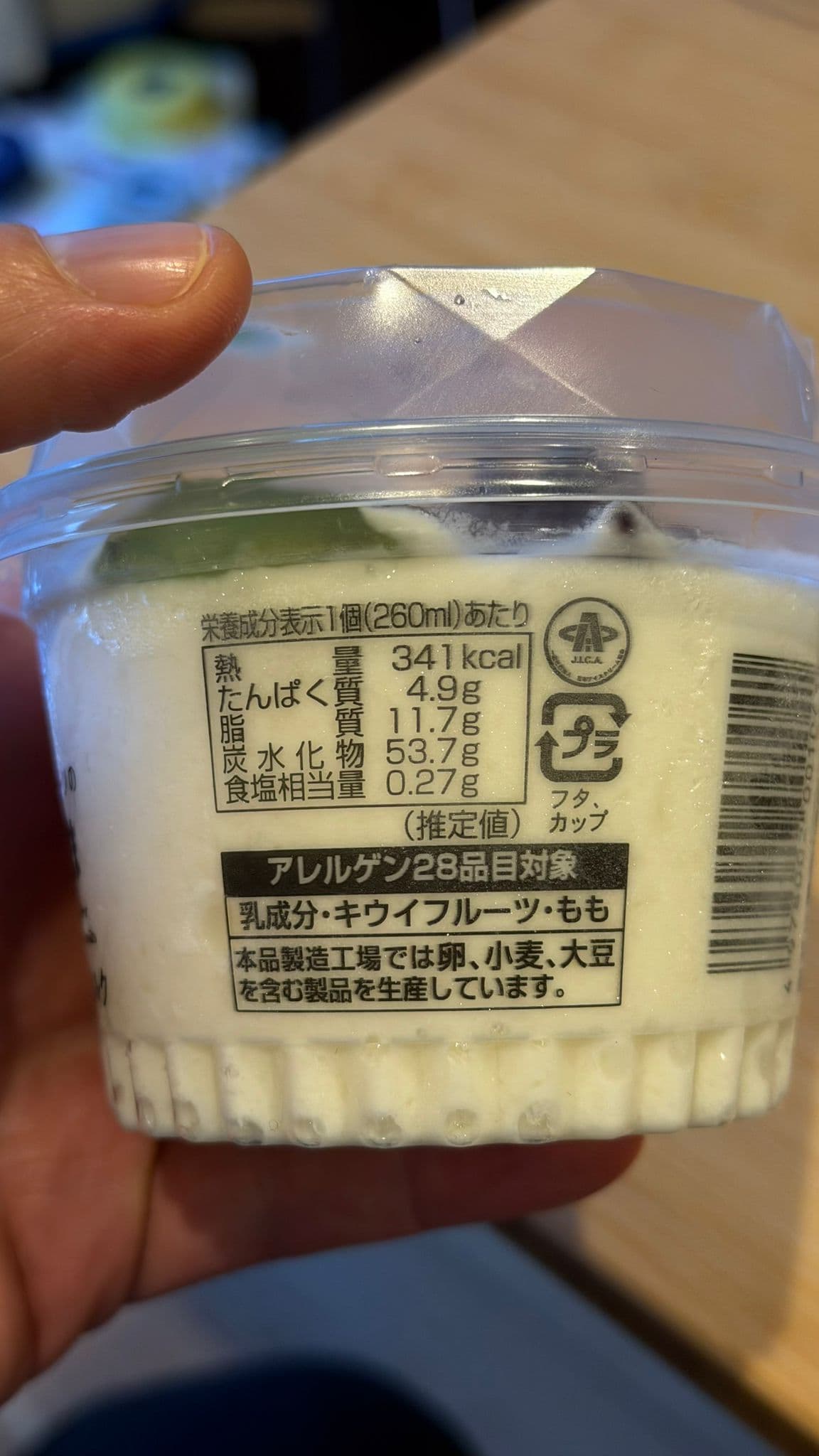
Hidden Ingredients in Japanese Food: What Foreigners Often Miss

Hidden Ingredients in Japanese Food: What Foreigners Often Miss

发布于 March 4, 2026

Japanese food has a reputation for being healthy and simple. Fresh fish, rice, vegetables, and soups are often associated with the traditional Japanese diet.

However, many packaged foods and prepared meals in Japan contain hidden ingredients that are not obvious to foreigners, especially if you cannot read Japanese labels.

Some of these ingredients may matter if you:

  • follow a vegan or vegetarian diet
  • avoid alcohol
  • avoid pork
  • have food allergies

This guide explains several ingredients that frequently appear in Japanese products but are easy to overlook.


Cooking Alcohol (みりん and 料理酒)

One of the most common hidden ingredients in Japanese food is cooking alcohol.

Many sauces and prepared foods contain small amounts of alcohol used for flavor.

Common examples include:

JapaneseReadingMeaning
みりんmirinsweet cooking rice wine
料理酒ryōrishucooking sake
sakerice wine
アルコールarukōrualcohol

These ingredients are widely used in:

  • teriyaki sauces
  • marinades
  • noodle broths
  • ready-made meals

Even products that do not taste alcoholic may contain these ingredients.


Pork Extract (豚エキス)

Pork-based ingredients appear in many Japanese processed foods.

Even foods that do not contain visible meat may include pork extract used for flavor.

Common terms include:

JapaneseReadingMeaning
豚肉butanikupork
豚脂tonshipork fat
ラードrādolard
豚エキスbuta ekisupork extract

These ingredients often appear in:

  • instant ramen
  • snacks
  • soups
  • seasoning powders

Fish-Based Seasonings

Many Japanese foods contain fish-based ingredients used to enhance umami flavor.

These ingredients are very common and may appear in foods that do not obviously contain fish.

JapaneseReadingMeaning
鰹節katsuobushidried bonito flakes
魚醤gyoshōfish sauce
いりこirikodried sardines
だしdashisoup stock

These ingredients are widely used in:

  • sauces
  • soups
  • noodle broths
  • snacks

For people following a vegetarian or vegan diet, these ingredients are important to watch for.


Gelatin and Animal-Based Additives

Some Japanese desserts and processed foods contain gelatin or animal-based ingredients.

JapaneseReadingMeaning
ゼラチンzerachingelatin
動物性油脂dōbutsusei yushianimal fat
牛脂gyūshibeef fat

Gelatin can appear in:

  • jelly desserts
  • candies
  • puddings
  • packaged sweets

Food Additives

Highly processed foods often contain additives that may not be obvious if you cannot read Japanese.

Some examples include:

JapaneseReadingMeaning
着色料chakushokuryōfood coloring
保存料hozonryōpreservatives
甘味料kanmiryōsweeteners
増粘剤zōnenzaithickening agents

Additives are usually written after the ingredient list, sometimes separated by a slash.


Why These Ingredients Are Easy to Miss

Many foreigners assume Japanese food is simple and natural. However, packaged foods often contain complex ingredient lists written entirely in Japanese.

This makes it difficult to identify:

  • animal products
  • alcohol-based ingredients
  • additives
  • allergen sources

Without being able to read the label, some ingredients can easily go unnoticed.


Tips for Identifying Hidden Ingredients

When shopping in Japan:

  1. Check the ingredient list (原材料名) carefully.
  2. Watch for alcohol-related terms such as 酒 or みりん.
  3. Look for pork ingredients like 豚肉 or ラード.
  4. Check for fish-based seasonings such as だし.
  5. Be cautious with processed foods that contain many additives.

Simple foods with shorter ingredient lists are usually easier to evaluate.


FAQ

Does Japanese food always contain hidden ingredients?

No. Many traditional foods such as rice, tofu, vegetables, and fresh seafood contain only a few ingredients.

However, processed foods and convenience store meals often include additional seasonings and additives.

Is dashi vegetarian?

Traditional dashi is made from bonito fish flakes and is not vegetarian. Some vegetarian versions exist but must be specifically labeled.

Are Japanese snacks safe for vegetarians?

Some are, but many snacks contain gelatin, fish seasoning, or animal-derived additives.


Understanding Ingredients Instantly

Reading Japanese ingredient lists can be difficult if you do not know the language.

If you want to understand a product quickly, you can scan the label with Okaasan.

Just take a photo and the app will show:

  • full ingredient translation
  • allergen detection
  • additives analysis
  • dietary flags (vegan, halal, gluten-free)
  • nutrition facts

This makes it easier to see exactly what is inside a product before buying it.